
Sewage Overpumping
Carbondale designs, installs and operates sewage overpumping systems to temporarily divert wastewater around sewer sections, manholes or pumping stations. This allows repairs, upgrades or inspections to proceed safely without disrupting service or causing overflows.
What is Sewage Overpumping
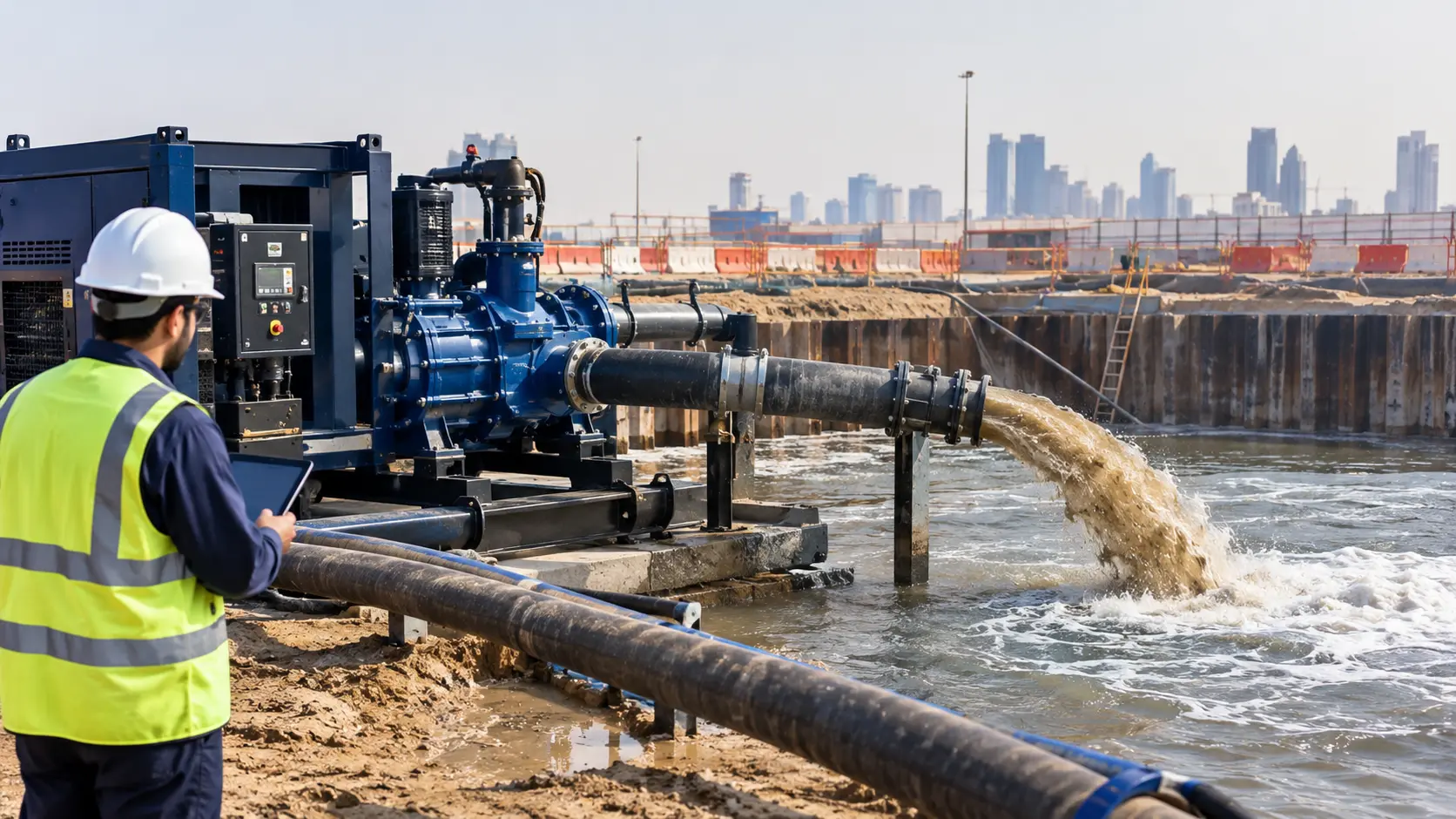
Sewage overpumping, also called bypass pumping, is the temporary transfer of wastewater from an upstream point to a downstream point while the section between them is out of service. Pumps lift the flow from an upstream manhole or wet well and push it through temporary pipework into a downstream manhole, network or treatment point.
Sewer systems cannot simply be switched off. Homes, buildings and facilities continue to discharge, so any repair, relining, replacement or connection work needs a reliable way to keep the flow moving. Overpumping creates a dry, safe working area for the repair crew and prevents spills, backflow and disruption to users.
Carbondale plans each overpumping system around flow rates, pipe and manhole configuration, access conditions, project duration and the requirements of the relevant authority.
How Sewage Overpumping Works
The system starts with a site survey to estimate minimum, average and peak flows. Pumps are then selected to match those flows with the required head and solids-handling capability.
Flow is isolated upstream of the work area using plugs or other suitable flow-control methods. Pumps lift the sewage and convey it through temporary pipework, typically HDPE or other suitable piping, to a designated discharge point downstream of the works. The area between the isolation points can then be worked on in dry conditions.
Throughout the operation, the system is monitored for pump performance, level changes and possible blockages. Standby pumping capacity is provided so that a pump fault does not interrupt the bypass. When the works are complete, the flow is restored to the permanent line and the temporary system is dismantled.
Why Sewage Overpumping is Needed
- Keeps sewer service running during works
- Prevents overflows and environmental contamination
- Creates a dry, safe working area for repair crews
- Helps projects stay on programme
Sewage Overpumping Applications
- Sewer pipeline repair and replacement
- Trenchless rehabilitation and relining works
- Manhole rehabilitation and construction
- Pumping station maintenance or upgrade
- Tie-in to new sewer connections
- Treatment plant maintenance
- Emergency pipe collapse or blockage response
- Infrastructure and utility construction projects
Installation Process
Site Assessment
Survey the network, estimate flow rates, check access and confirm the discharge point.
System Design
Select pumps, pipe sizes, standby capacity and monitoring to match the flow and project duration.
Installation & Isolation
Set up pumps and pipework, then isolate the work section with plugs and start the bypass.
Monitoring & Demobilisation
Supervise operation through the works, then restore normal flow and remove the temporary system.
Keep your sewer network running during works
Carbondale designs overpumping systems suited to your site conditions.
Where Sewage Overpumping
Are Applied
Pumps – Lift and transfer sewage from the upstream point to the discharge point. Submersible, diesel-driven or hydraulic units are chosen to suit the flow and solids content.
Standby pumps – Provide backup capacity so the bypass continues if a duty pump stops or a blockage occurs.
Temporary pipework – Carries the flow along the bypass route. Pipe diameter and layout depend on flow rate and site conditions.
Flow isolation plugs – Block the live sewer upstream and downstream of the work area.
Why Choose Carbondale for Sewage Overpumping?
Carbondale brings its pumping and groundwater-control experience to sewage bypass projects, with systems designed around actual site conditions rather than a standard set-up. Our team assesses flow rates, pipe and manhole configurations, access, duration and discharge options before proposing a pumping arrangement. Our capabilities cover system design, pump selection, pipework installation, flow isolation, standby capacity, monitoring and demobilisation. Carbondale also provides complementary dewatering services, including wellpoints, deep wells and sump pumping, so one contractor can manage both groundwater and wastewater on the same project.
Frequently Asked Questions
For customized technical advice and site-specific solutions, contact us.
What is sewage overpumping?
Sewage overpumping is the temporary diversion of wastewater around a section of sewer using pumps and temporary pipework, so repair or construction work can be carried out without interrupting service.
When is overpumping required?
It is used whenever a live sewer, manhole or pumping station needs repair, upgrade, relining or connection work and the flow cannot be stopped.
Is overpumping the same as bypass pumping?
Yes. The terms are used interchangeably. Both refer to pumping flow around a work area through a temporary system.
How do you prevent spills if a pump fails?
Systems are designed with standby pumping capacity and monitored with level controls and alarms, so a backup unit can take over if a duty pump stops or a blockage forms.

Have a project in mind?
Speak with our experts for dependable, end-to-end dewatering solutions